Apr 13 2026 15:00
Proving Distracted Driving: How Evidence Comes Together to Strengthen an Injury Claim
Distracted driving remains one of the most persistent causes of car accidents across the United States. Although awareness campaigns have encouraged safer habits, proving that a driver was distracted at the time of a crash is often challenging. For that reason, personal injury attorneys rely on a strategic blend of digital, physical, and eyewitness evidence to establish what truly happened. When these pieces are combined, they can create a clear picture of how inattention led directly to the collision.
With Distracted Driving Awareness Month taking place in April, it’s a fitting time to look at how different forms of evidence come together to demonstrate negligence and support a strong legal claim.
Digital Evidence: Mapping the Driver’s Online and Device Activity
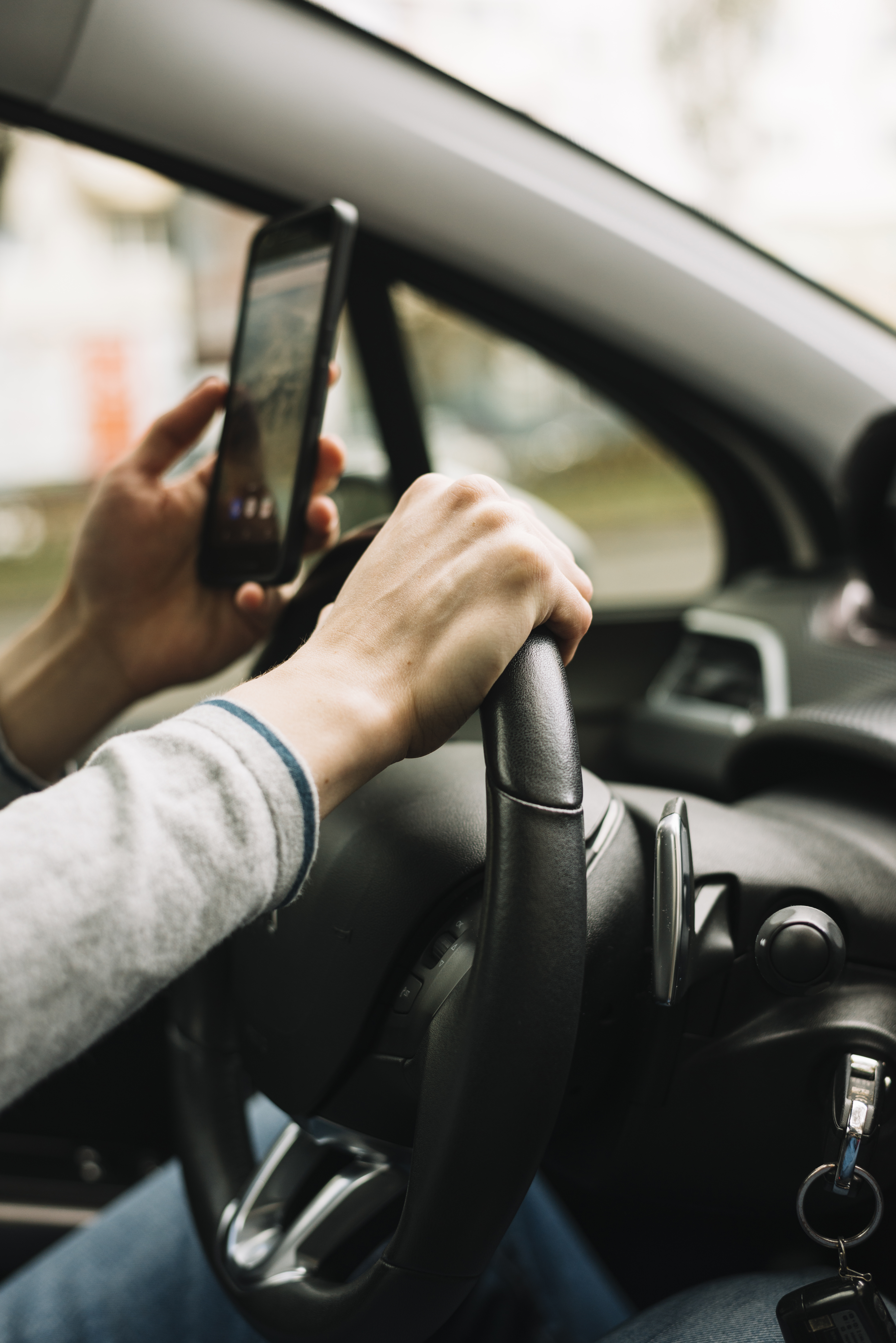
One of the most revealing indicators of distraction comes from a driver’s mobile phone. Records such as call logs, text activity, and app usage can help determine whether the driver was interacting with their device around the time of the accident. Even without reading message content, simple timestamps can provide significant clues about inattention.
Accessing this information isn’t always straightforward. Wireless carriers typically keep limited records, and retrieving those records often demands a subpoena. In some cases, digital forensic specialists may need to examine the device to uncover deleted data or background activity, including navigation checks, social media scrolling, or messaging app interactions. All of these details can help establish a timeline of distraction.
Social Media and Location Data
In a world where people are often connected online, it’s not uncommon for drivers to glance at social media feeds, upload quick photos, or even livestream while on the road. Actions like these can later become crucial components of a distracted driving claim.
Location information, check‑ins, posted updates, and activity patterns such as typing indicators or screen interactions can help show that a driver’s attention was diverted. When paired with phone records, these digital traces can create a compelling narrative of distraction prior to the crash.
Eyewitness Testimony and Video: Firsthand Accounts and Visual Evidence
Witness Observations
Eyewitnesses are often invaluable in distracted driving cases. Other motorists, passengers, or bystanders may have noticed the driver looking down, holding a phone, or focusing on something other than the road. Their statements help reinforce digital findings and add an essential human perspective to the case.
In some situations, witnesses may also recall what happened immediately after the collision. A driver might admit to using their phone, or a screen may still be illuminated when responders arrive. These moments can be key in determining fault.
Traffic Cameras and Dashcam Footage
Footage from city traffic cameras, business surveillance systems, and vehicle dashcams can serve as powerful evidence. Video that shows drifting, slow reaction times, or visible device interaction can strongly support a distracted driving claim.
However, video recordings are often erased quickly—sometimes within hours. Attorneys typically must act fast to request and secure copies before they disappear permanently.
Vehicle and Scene Evidence: Physical Data That Reveals Driver Attention
Event Data Recorders (EDRs)
Many modern vehicles contain EDRs, often referred to as "black boxes." These devices capture essential information from the moments leading up to an accident, including speed, braking behavior, steering movement, and accelerator use.
If the data shows no attempt to brake or maneuver before impact, it may suggest the driver failed to notice the hazard—potentially because they were distracted. When combined with digital or witness evidence, this information helps create a detailed reconstruction of events.
Accident Scene Evidence
Even with today’s technology, on‑scene evidence remains critical. Skid marks, impact points, and debris patterns can offer important insights into what occurred. For example, if a stopped vehicle is rear‑ended and there are no skid marks from the at‑fault driver, it can indicate that they weren’t focused on the roadway.
Accident reconstruction specialists often use this physical evidence to recreate what happened and determine whether the driver could have avoided the crash if they had been fully attentive.
The Importance of Acting Quickly
Although each piece of evidence can be incredibly valuable, it is also extremely time‑sensitive. Phone records, social media history, and video footage are rarely stored for long periods. Many sources automatically delete or overwrite data within days or weeks. Additionally, subpoenas and preservation requests cannot be issued until a legal case is formally initiated.
Because of this, contacting a personal injury attorney as soon as possible is one of the most crucial steps after a suspected distracted driving accident. A legal team can move quickly to request phone and social media data, locate and secure dashcam or surveillance footage, examine vehicle and scene evidence, collaborate with reconstruction experts, and file the necessary legal documents to preserve your claim. Delaying action increases the risk of losing essential information forever.
Taking the First Step Toward Recovery
Proving distracted driving requires more than speculation—it demands fast, thorough evidence gathering and a strategic legal approach. Whether the distraction involved texting, social media use, GPS navigation, or other device interactions, uncovering the truth is often the key to a fair outcome.
If you believe distraction contributed to your accident, don’t wait to seek help. Reach out to a qualified personal injury attorney who knows how to build a strong case using digital, eyewitness, and physical evidence.
Contact us to discuss your situation and begin the process of securing the evidence you need. Acting quickly can help protect your rights and put you on the path toward justice and fair compensation.